

What Makes a Great Photo of a Child? It Isn’t the Smile.
When parents look at photographs of their children, they’re naturally drawn to the smiles. I understand why. I love a wonderful smile, too. But some of my favorite portraits of children aren’t smiling at all. They’re thinking, investigating, plotting something, or giving me a deeply skeptical look. They might be concentrating so hard their little brow is furrowed, or staring straight into my camera with an expression I couldn’t have invented if I tried.
Expression isn’t the same thing as smiling. A great portrait of a child doesn’t necessarily show me what they look like when someone says “cheese.” It shows me something about who they are.
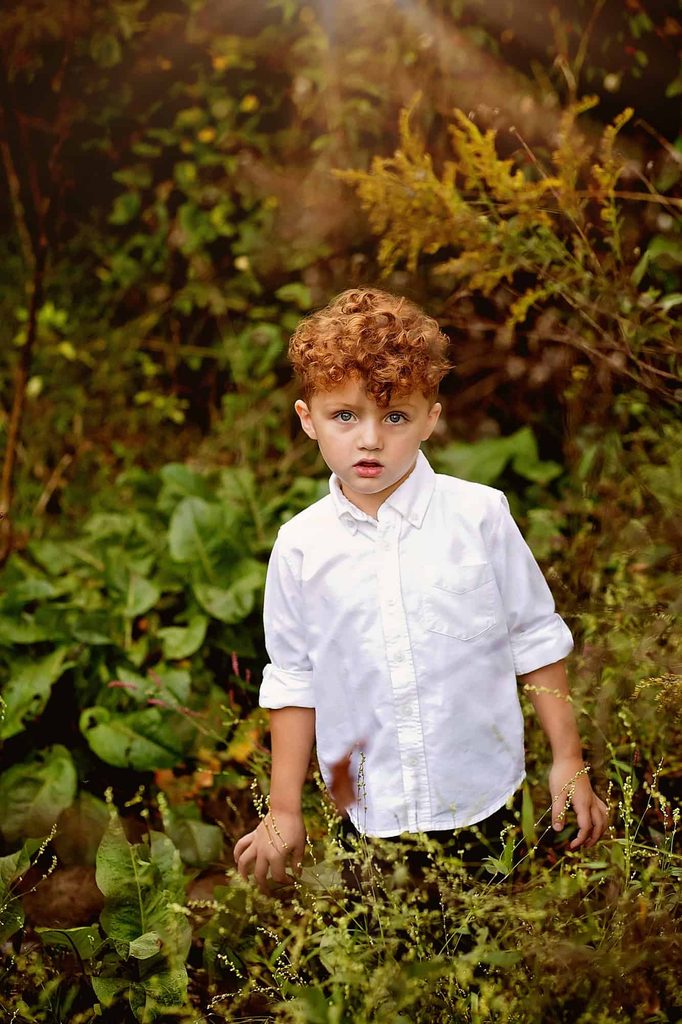
The Solemn Face Might Be the Good One
Adults have a funny habit of deciding that a photograph isn’t finished until the child smiles. We’ll see a beautiful, thoughtful expression and immediately say, “Smile!” But what if we didn’t?
Some children have wonderfully serious faces. Some watch carefully before they participate. Some are suspicious of new people, while others simply aren’t children who walk through the world grinning all day. I don’t think we need to turn every one of those expressions into a smile. That solemn portrait isn’t necessarily the photograph before the good one. It may be the good one.
I Love the Concentrating Face
Give a small child something interesting to do and watch their face change. Their brow furrows. Their mouth gets serious. Maybe their tongue appears. Their tiny hands become incredibly busy, and for a few moments they’ve forgotten about me completely. I love those moments because they aren’t performing an expression for my camera. They’re doing something that matters very much to them, even if the important task in question is putting a baby doll to bed or determining whether a wooden truck will fit somewhere it obviously will not. The concentration is real. And someday, even those little hands won’t be little anymore.
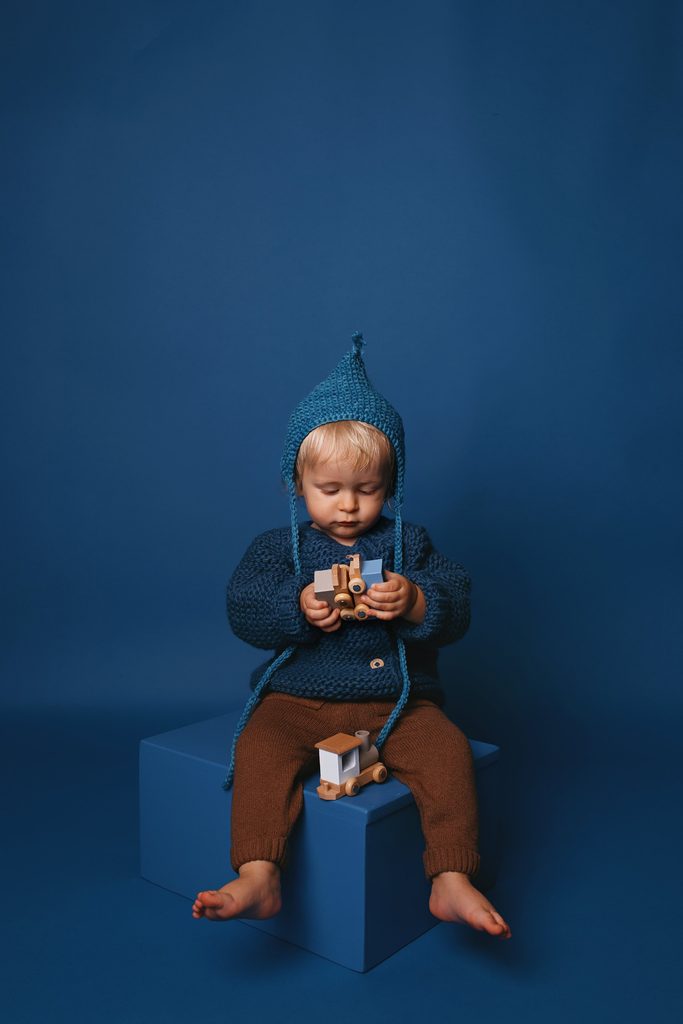
Skepticism Is an Expression, Too
This may be one of my favorites. You know the look: Who are you? Why are you talking to me? What exactly are you planning to do with that camera?
Toddlers in particular can produce a level of skepticism normally reserved for suspicious detectives, and it’s wonderful. I’m not in a hurry to make that expression disappear because I’m learning something about the child in front of me. Sometimes they’ll decide I’m acceptable eventually. Sometimes I remain questionable. Both can make excellent portraits.
And Then There’s Mischief
There is a tiny moment when a child has thought of something they probably shouldn’t do, but hasn’t done it yet. You can see it. The eyes change. The corner of the mouth moves. Sometimes they glance toward a parent to determine whether anyone else has noticed. That’s the moment I want. The giant laugh that comes afterward can be wonderful, too, but that little flash of I have an idea tells me so much more. Those are often the expressions parents recognize immediately “That’s them.”
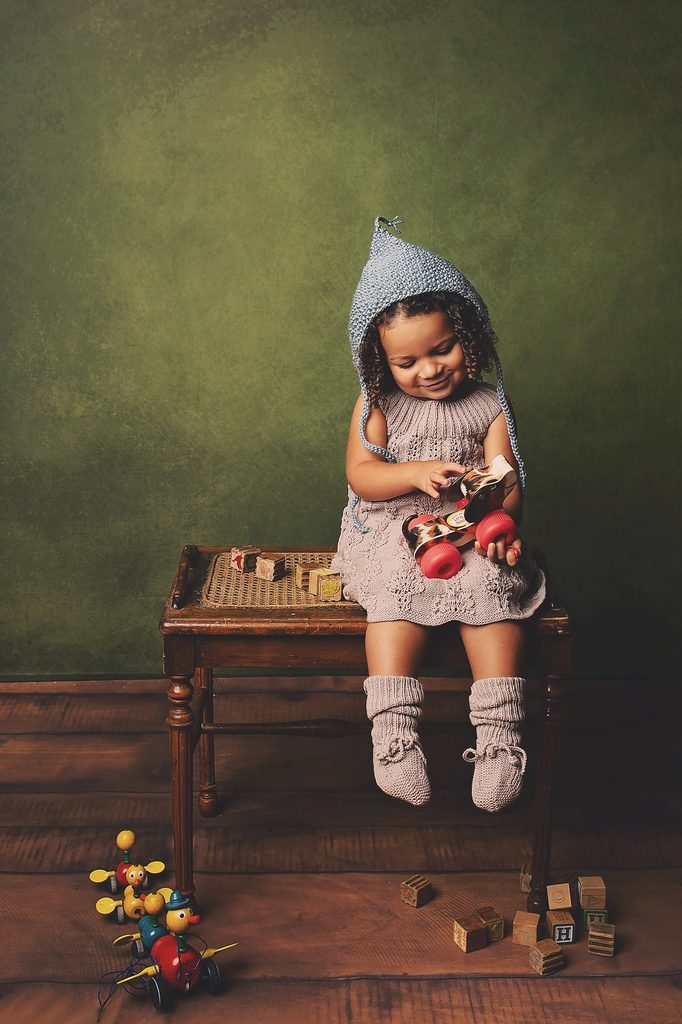
Curiosity Makes Beautiful Portraits
Children are interested in things adults stopped noticing a long time ago. They want to know what’s inside it, under it, or behind it. They need to touch it. They need to turn it over. They may need to carry it around for the next twenty minutes for reasons known only to them. Instead of constantly redirecting that curiosity toward my camera, I can photograph it. The tilt of the head, the reaching hand, the enormous eyes, and the moment when something ordinary becomes completely fascinating are all part of childhood.
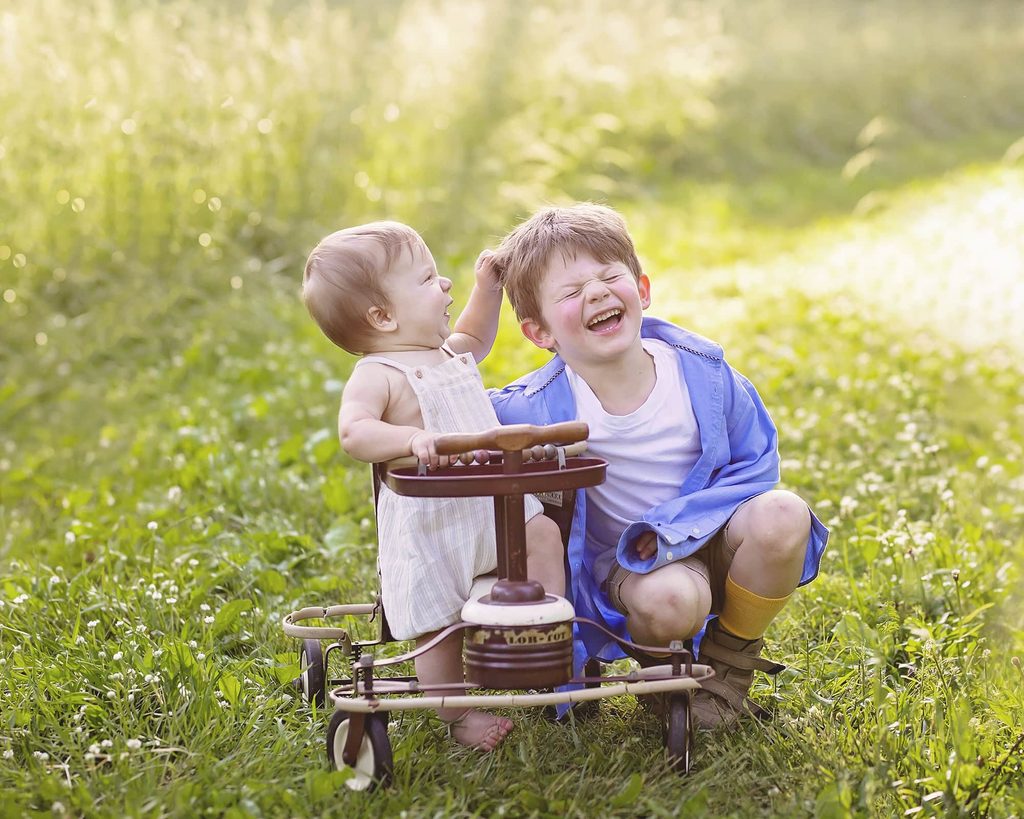
Yes, I Love the Belly Laugh
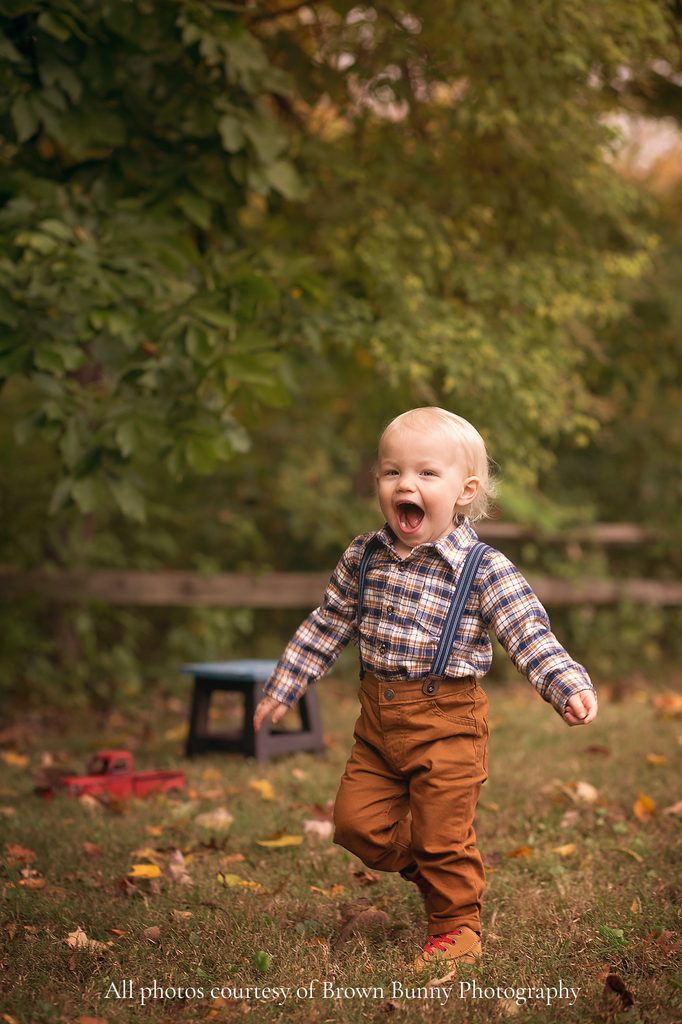
This is not an anti-smiling campaign. Give me the enormous open-mouth laugh, the nose crinkle, the barely-contained giggle, or the ridiculous expression right in the middle of being silly. I love all of it. But I want the laugh because something was actually funny, not because three adults stood behind my camera shouting increasingly desperate things at a child. A real laugh changes the whole face, and usually the best photograph isn’t the neat little smile immediately afterward. It’s the gloriously uncontrolled one in the middle.
Quiet Expressions Matter, Too
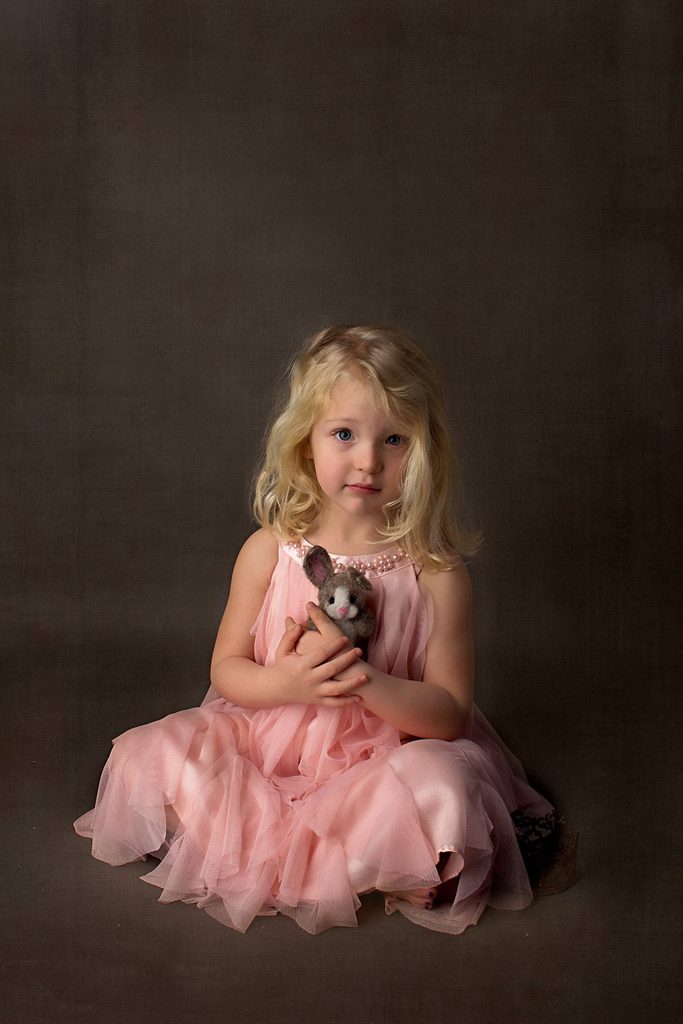
Not every child is enormous energy, and not every beautiful expression is dramatic. There are quiet children, shy children, children who need time, and children who would rather observe than perform. There are also quiet moments inside even the wildest kid.
A soft expression, a child absorbed in a book, a baby resting against a parent, or a tiny half-smile that you might miss if you were waiting only for the big one can be just as important. I don’t want every child’s gallery to look emotionally identical, because children aren’t emotionally identical.
I’m Watching for the Things You Recognize
During a child portrait session, I’m paying attention to more than where your child is standing and whether they’re looking at my camera. I’m watching what they do when they’re thinking, what makes them curious, what happens right before they laugh, and whether they’re cautious or fearless. I notice what they do with their hands and the expression they make when they think nobody is watching. I’m looking for the little things that make a parent stop at an image and say, “Oh my gosh. That’s so them.” That’s different from simply making a technically beautiful photograph. I want both.
So What Makes a Great Photo of a Child?
Light matters. Composition matters. Color matters. Clothing and background and all the other things I fuss over matter, too. But none of those things are the child.
The child is the serious face, the belly laugh, the skepticism, the concentration, the curiosity and the mischief. It’s the strange little expression you’ve seen a thousand times at home and never thought to photograph. A smile can absolutely be part of that story. It just doesn’t have to be the whole story.
When I’m photographing your child, I’m not looking for the expression that makes them look most cooperative. I’m looking for the expression that makes them look most like themselves.


Be the first to comment