

Should Siblings Be Photographed Together or Separately?
If you’re planning professional portraits of your children, you might wonder whether it’s better to photograph siblings together or individually. After all, there’s something wonderful about having all your children in one beautiful portrait. But there’s also something special about giving each child a photograph that belongs entirely to them.
My answer? Both, when possible.
Sibling portraits tell us about the relationship between children. Individual portraits tell us about the children themselves. And those are two very different things worth remembering.
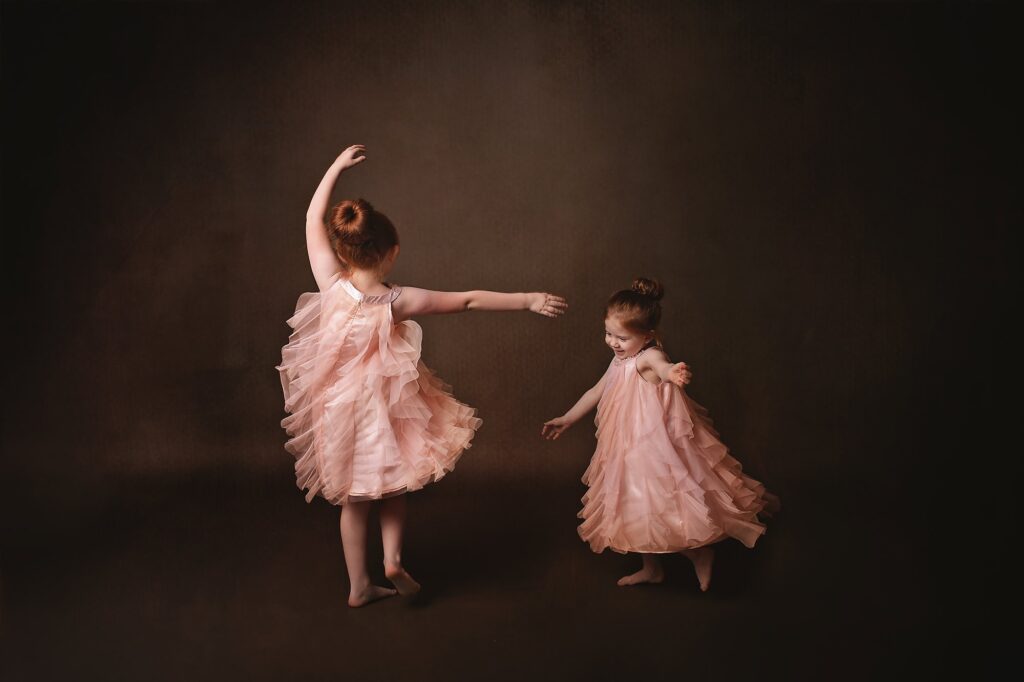
Sibling Portraits Tell a Story About Their Relationship
There’s something fascinating about watching siblings interact. The older sister who considers herself responsible for absolutely everything. The little brother who follows her everywhere. The twins who look almost identical but have wildly different personalities. And, of course, the siblings who are deeply devoted to one another right up until somebody touches the wrong toy.
Those relationships are constantly changing. A five-year-old who adores her baby brother may feel very differently about him when they’re teenagers. The little brother who insists on doing everything his big sister does will eventually develop interests of his own. A sibling portrait preserves a little piece of that relationship as it exists right now.
That doesn’t necessarily mean everyone needs to be hugging or smiling at the camera. Sometimes the most interesting photograph is the one where the children are interacting naturally. A shared secret, a suspicious glance, or an older child patiently tolerating the enthusiastic affection of a younger sibling can tell us much more than a perfectly arranged pose.
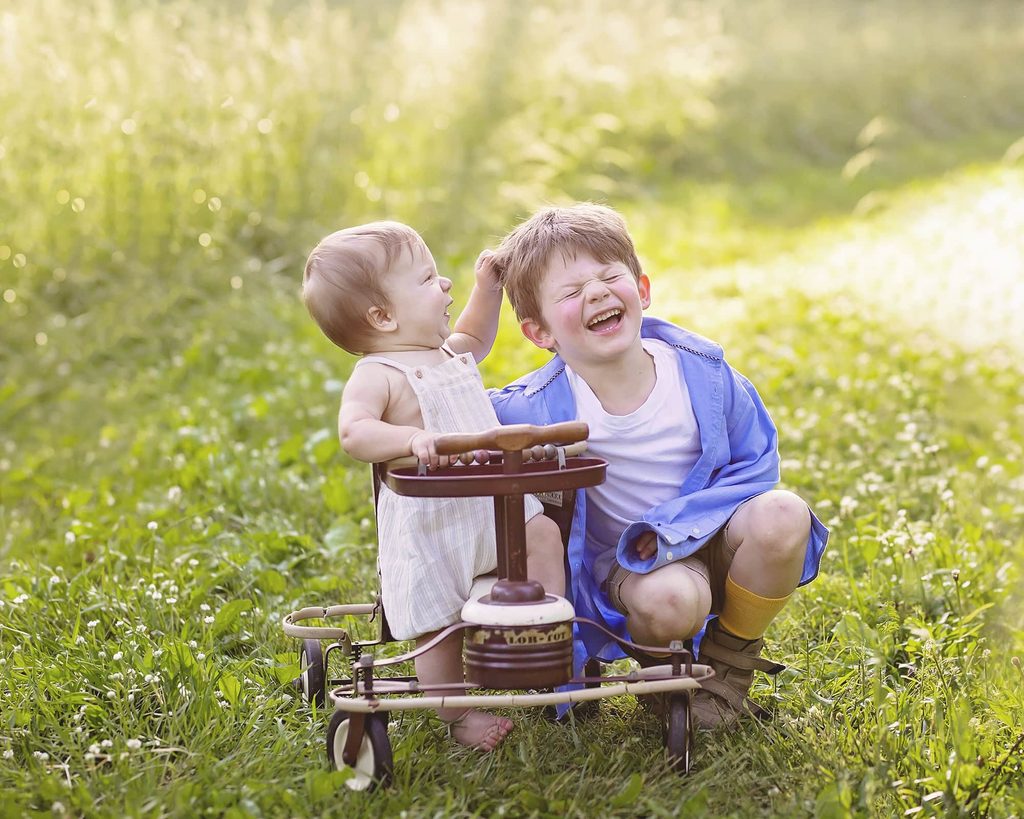
Individual Portraits Matter Just as Much
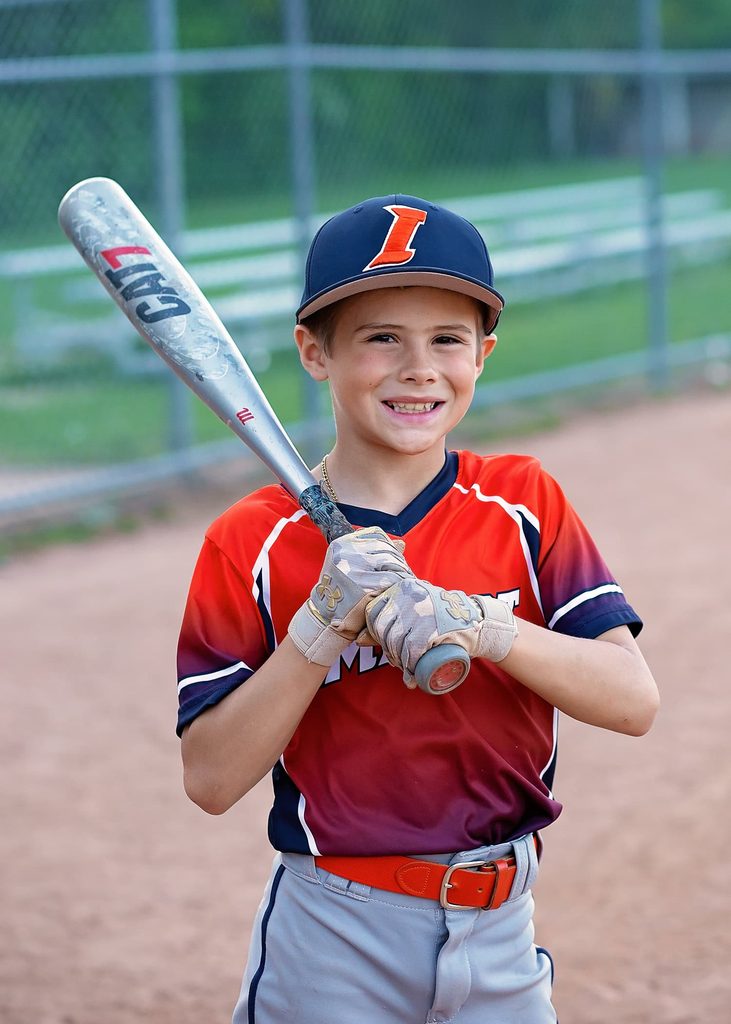
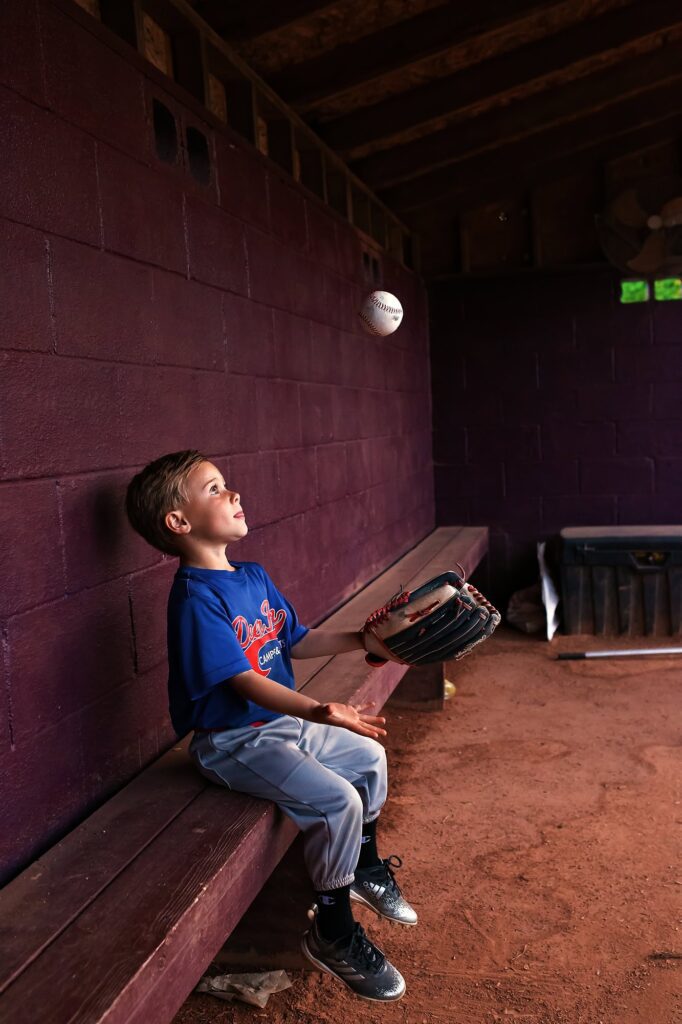
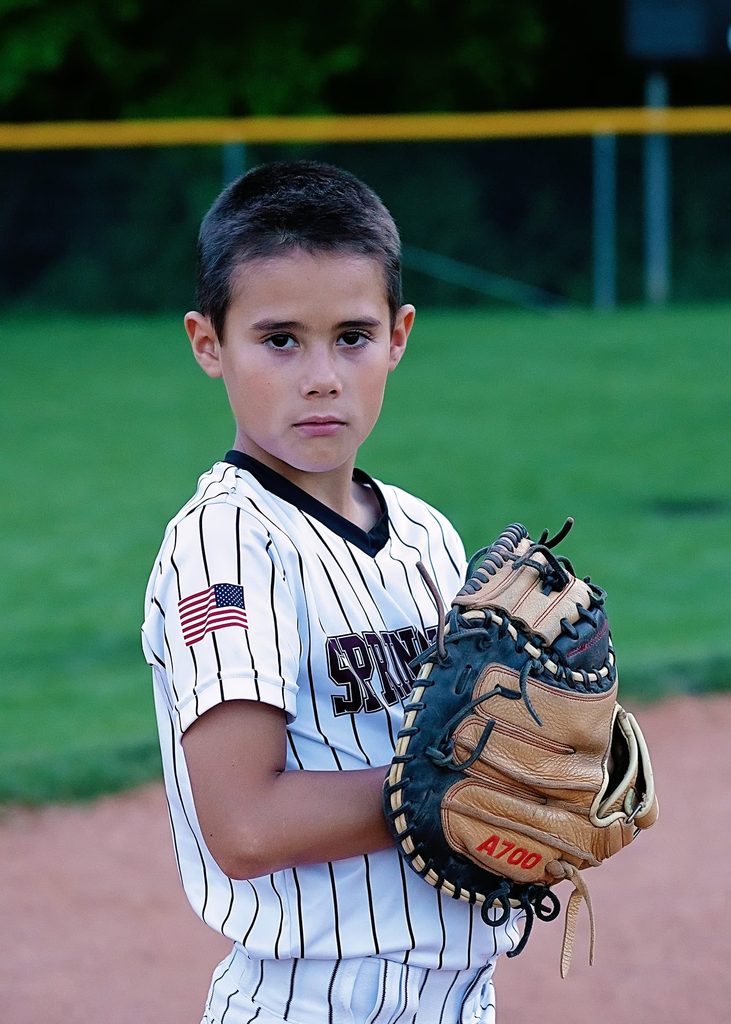
As much as I love photographing siblings together, I think it’s important that children have opportunities to be photographed individually. Children who grow up together share so much of their lives. Their homes, their routines, their family traditions, and often their toys. But they aren’t interchangeable parts of a family unit. Each child has a personality that deserves its own attention. One may be outgoing and delighted to have an audience. Another may be quiet and thoughtful. One might approach everything with enormous enthusiasm, while the other prefers to investigate carefully before deciding whether to participate.
When I photograph a child individually, I can give them the time and space to show me who they are without having to compete with a sibling for attention. Sometimes that means the quieter child gets a chance to shine. Sometimes it means the older child gets to stop being the responsible one for a little while. And sometimes it simply means creating a beautiful portrait that is entirely about them.
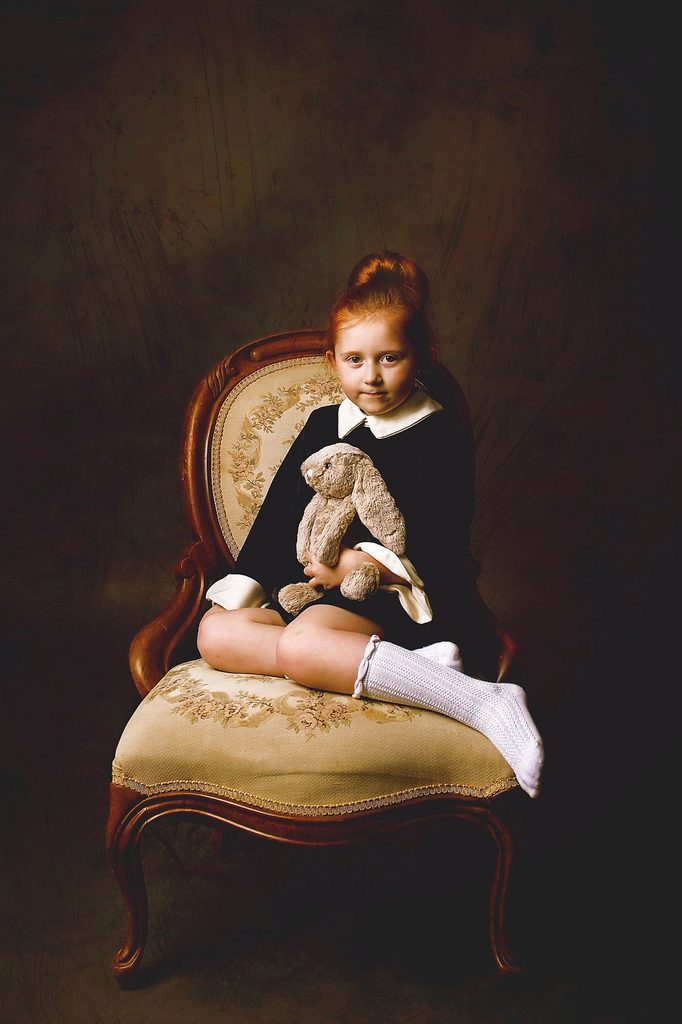
What If My Children Won’t Cooperate Together?
Let’s be realistic. Siblings don’t always behave like the charming little people we imagined when planning their portraits. Sometimes they adore each other. Sometimes they would prefer to be on opposite sides of the room. And sometimes their feelings about each other change approximately every forty-five seconds. That’s normal.
I don’t expect siblings to arrive at a photography session ready to demonstrate perfect affection for one another. In fact, insisting that children hug, hold hands, or smile together can be a remarkably effective way to make them want to do absolutely none of those things. Instead, I look for ways to encourage natural interaction. Depending on their ages and personalities, that might mean giving them something to investigate together, inviting them into a little game, or simply letting them get comfortable with one another in the space. The goal isn’t to manufacture a relationship that doesn’t exist. It’s to photograph something genuine about the relationship they already have. And if one child needs a break while the other is happily participating? That’s a perfectly good opportunity to work on an individual portrait.
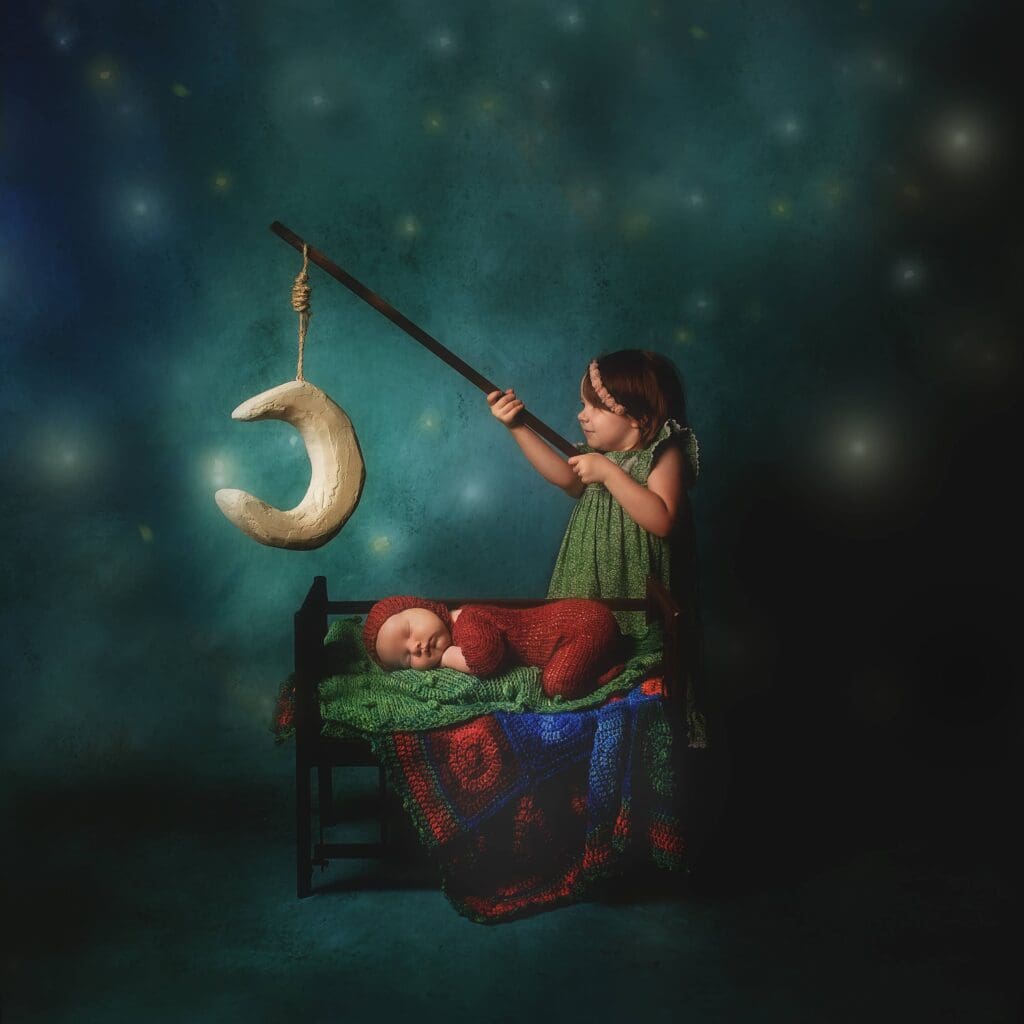
Age Differences Make Things Interesting
Photographing a three-year-old and a six-month-old together is a very different proposition from photographing two elementary-aged children. Babies have limited patience and need physical support. Toddlers have approximately seventeen other things they’d rather be doing. Older children may be perfectly capable of following directions but have strong opinions about whether they want to participate. The trick is finding an approach that works for the children involved.
With a baby and an older sibling, I might build the composition around a safe, comfortable position for the baby and invite the older child to interact. With two preschoolers, I might give them something interesting to do together. Older children can sometimes participate more actively in creating the portrait. I don’t believe every sibling combination needs the same pose, the same arrangement, or the same approach. In fact, the differences are part of what makes the artwork interesting.
What About Children Who Are Very Different?
Some of my favorite possibilities for sibling portraits come from children whose personalities are complete opposites. The serious one and the comedian. The cautious observer and the fearless explorer. The child who loves everything pink and sparkly and the sibling who would happily spend the entire day digging in the dirt. I wouldn’t necessarily try to make those children look or behave alike. Instead, I’d look for ways to create a sense of connection while allowing their individual personalities to remain visible. That might mean a shared portrait that emphasizes their relationship, followed by individual portraits that explore their different interests and expressions. The photographs can belong together artistically without requiring the children to become matching versions of one another.
Creating a Collection Instead of a Single Portrait
This is where sibling photography becomes particularly interesting to me as an artist. Imagine a beautiful portrait of two siblings together, accompanied by an individual portrait of each child. Perhaps the photographs share a similar color palette, lighting style, or background so that they feel connected without being identical. Displayed together, the three portraits tell a more complete story than any one image could. The shared portrait shows their relationship. The individual portraits give each child a presence of their own.
For families with three children, the possibilities become even more interesting. There might be one portrait of all three, individual portraits, or a carefully considered series that explores the different relationships between them. These are the kinds of decisions I enjoy making when planning a fine art portrait commission. Rather than simply producing several photographs and deciding afterward which ones look nice together, we can think about how the finished artwork might live in your home. A coordinated collection can be designed around a particular wall, a grouping of frames, or an heirloom album that brings the entire story together. And as the children grow, those portraits become a record of a relationship that will never exist in quite the same way again.
So, Should You Photograph Your Children Together or Separately?
If you’re choosing between sibling portraits and individual portraits, I would encourage you to think about what you most want to remember. If the relationship between your children is what makes you smile, a sibling portrait may be exactly what you’re looking for. If you want to preserve the distinctive personality of each child, individual portraits deserve consideration. But when we have the opportunity to create both, I think the results can be especially meaningful. Your children are part of a family, but they’re also individuals with their own personalities, interests, expressions, and wonderfully peculiar habits. They deserve to be remembered both ways.
At Brown Bunny Photography, I create fine art children’s portraits in Nashville, Murfreesboro, Franklin, Brentwood, and throughout Middle Tennessee. Each session is planned around the children involved, with the goal of creating artwork that feels personal to your family.


Be the first to comment